2025 Market Outlook - Commercial Property Insurance
Moving into 2025, the commercial property insurance market appears to be stabilizing, and most renewals with favorable loss histories will
see single-digit rate increases (non-catastrophe (CAT) exposed assets with good loss histories can expect flat to 10% rate increases). While
some complex risk profiles are still difficult to place and challenges remain in high-risk areas with persistent capacity and pricing pressures
(e.g., wildfire zones), the double- or triple-digit rate increases the commercial property insurance segment saw in 2023 are less common.
Although the market appears to be more stable and competitive, updated CAT models may affect the risk appetite of insurers and lead to
pricing fluctuations.
Developments and Trends to Watch
- Natural disasters—Through October 2024, the United States saw 24 weather and climate
disasters with losses exceeding $1 billion, according to the National Oceanic and Atmospheric
Administration. As of the third quarter of 2024, insured losses from natural disasters reached
approximately $108 billion, with severe convective storms being the primary cause. Hurricane
Helene incurred insured losses estimated between $10 billion and $15 billion, making it the
costliest event in the year’s first nine months. Furthermore, projected losses from Hurricane
Milton are expected to range from $30 billion to $60 billion. Overall, total insured losses for 2024
are anticipated to exceed $140 billion, indicating another year of significant financial impact from
natural disasters.
- A stable reinsurance market and increased capacity—The reinsurance market stabilized in 2024
and is expected to recover close to pre-COVID-19-pandemic highs. This surge has been fueled
by increased involvement from capital markets through instruments such as insurance-linked
securities, CAT bonds and sidecar arrangements, resulting in significant growth in available
capacity. Additionally, higher retentions by policyholders have contributed to lower losses for
reinsurers. The increased access to reinsurance capital has enabled direct insurers to offer
increased capacity for renewals or new business. High-risk accounts are taking advantage of
increased capacity through shared and layered programs from international markets like London
and Bermuda. Effectively, insurers have more capital available and are willing to take on portions
of larger, more complex risks, making it easier for some insureds to secure coverage.
- Insurance-to-value (ITV) considerations—ITV calculations are critical, as they help insureds
determine the appropriate amount of property coverage by assessing an asset’s actual, market
and replacement value. Securing an accurate ITV calculation has been challenging; a property’s
value is often affected by factors like inflation and material costs, both of which have been volatile
in recent years. An accurate ITV calculation represents as close to an equal ratio as possible
between the amount of insurance a business obtains and the estimated value of its commercial
building or structure, thus ensuring adequate protection following potential losses. Common
approaches to accurately estimating this value include getting a property appraisal from a third-party
firm, leveraging fixed-asset records that have been adjusted for inflation or relying on a
basic benchmarking tool (e.g., dollars per square foot).
- Continued interest in alternative risk financing—Alternative risk transfer options can provide
more customized solutions and, in some cases, cost savings. There are several options available
to risk managers, including captives, parametric coverage and structured fronting. Captives are
insurance companies formed by one or more parent companies to insure their own risks rather
than relying on third-party insurers. As natural disasters become more severe, parametric
coverage has risen in popularity. Under such coverage, the amount a policyholder is compensated
isn’t decided by the exact cost of damages sustained but by the calculated intensity of the covered
event itself. Structured fronting is an insurance solution that allows insureds to manage their
own risk. In these arrangements, policies are written by an insurer, but most or all the risk is
passed on to the insured or another third party (e.g., a captive or reinsurer).
Tips for Insurance Buyers
Conduct a thorough inspection of your commercial property and the surrounding area for specific risk management concerns. Implement additional mitigation measures as needed.
Work with insurance professionals to begin the renewal process early.
Determine whether you should adjust your organization’s commercial property limits to avoid underinsuring your property and facing coinsurance penalties. This may entail updating your total insurable values as needed and conducting accurate ITV calculations.
Analyze your organization’s natural disaster exposures. If your commercial property is located in an area that is more prone to a specific type of catastrophe, implement mitigation and response measures that will protect your property as much as possible if such an event occurs (e.g., installing storm shutters on windows to protect against hurricane damages or utilizing fire-resistant roofing materials to protect against wildfire damages).
© 2024 Zywave, Inc. All rights reserved.
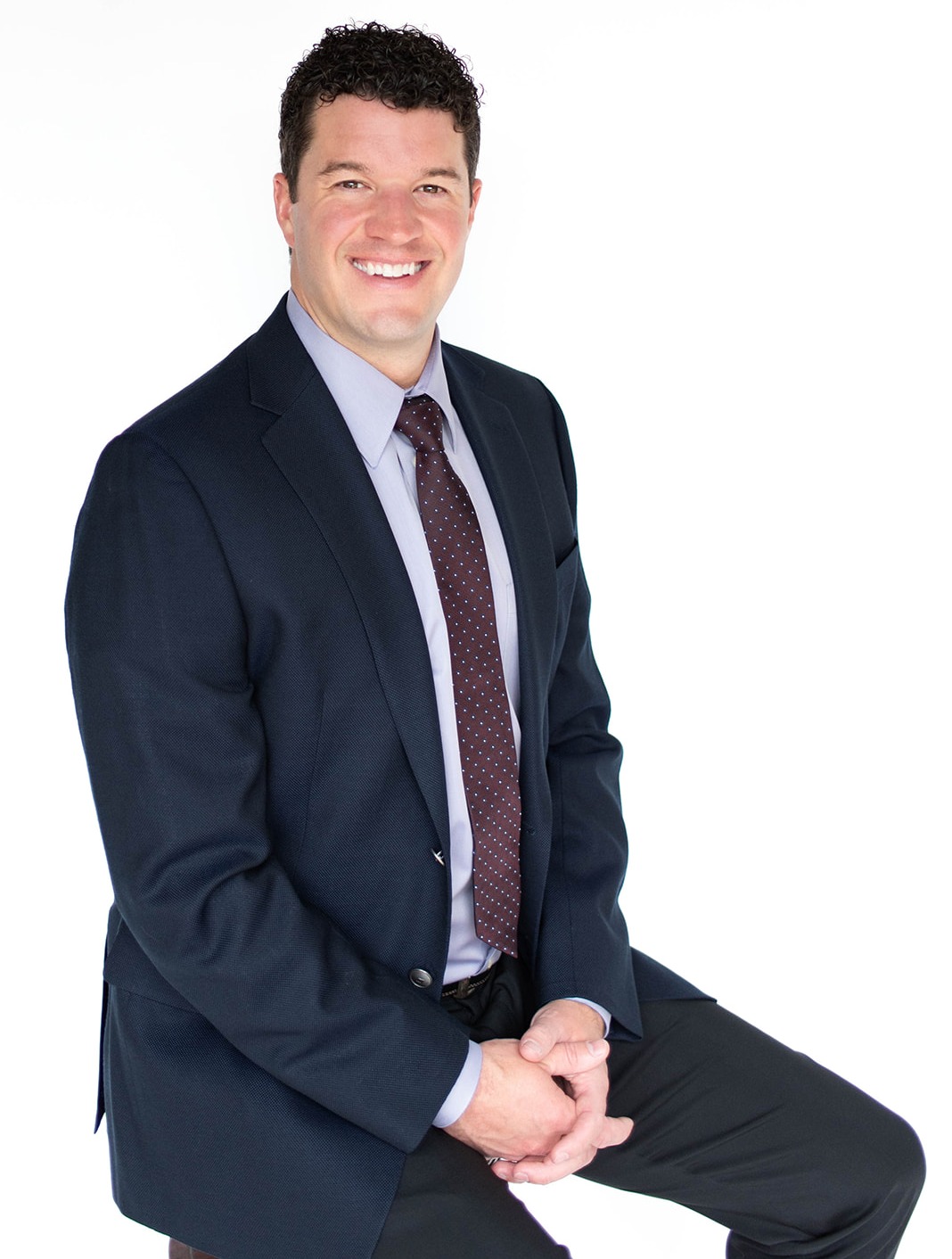
Brad Henderson is the Executive Vice President at Network Insurance Services and leads their Community Association Division. He is a second-generation insurance professional. He began his insurance journey at 18 years old, obtaining his insurance licenses in 2008 just a month after becoming eligible under Colorado state law. His passion for problem-solving and building relationships led him to his niche focus in Community Association Insurance, where he enjoys a consultative approach to partnering with property managers and board members in navigating the complexities of commercial insurance. Reach out to Brad and our team today to learn more about what makes Network Insurance Colorado's First Choice in HOA Insurance.